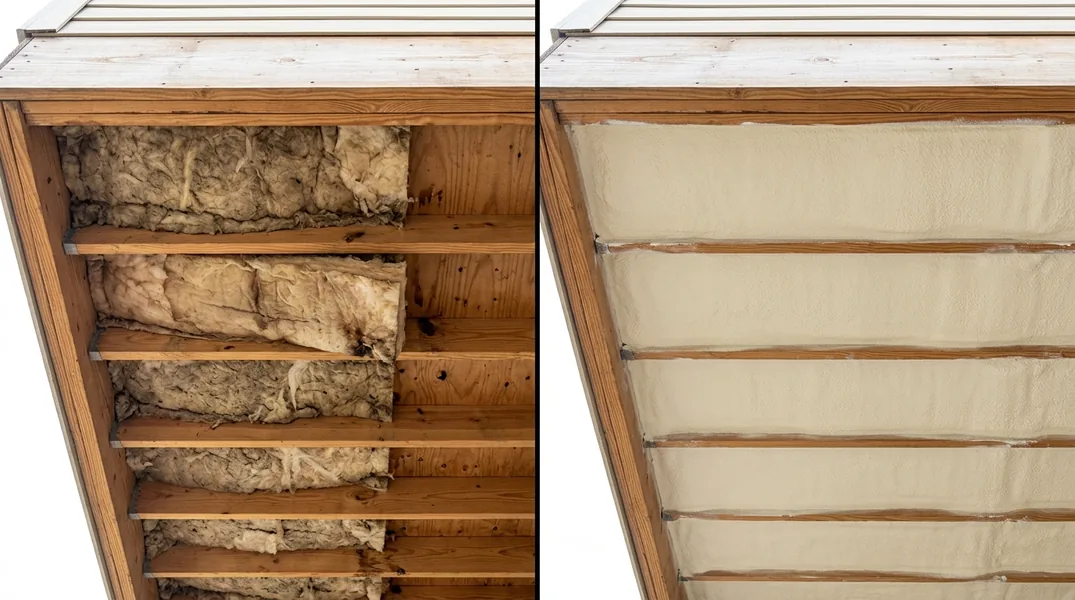
Is Spray Foam Insulation Worth It? The Real Value Proposition
Homeowners in College Station often ask whether spray foam insulation is truly worth the investment. The answer depends on your priorities, your home's condition, and your long-term energy goals. Unlike traditional fiberglass batts or blown cellulose, spray foam creates an air-tight seal that can dramatically reduce energy loss, lower utility bills, and improve comfort year-round.
The primary value of Attic Spray Foam Insulation lies in its superior R-value per inch and its ability to seal gaps, cracks, and irregular spaces that conventional insulation cannot reach. In College Station's warm, humid climate, an energy-efficient attic can reduce air conditioning costs significantly. Many homeowners report 15 to 30 percent reductions in cooling expenses after installation, which can offset the initial investment within 5 to 10 years. Beyond energy savings, spray foam also improves indoor air quality by preventing moisture infiltration and reducing the entry of outdoor pollutants and allergens.
Is Spray Foam Insulation Safe? Understanding Off-Gassing and Health Concerns
Safety is a legitimate concern when considering spray foam insulation. The question of whether spray foam is safe hinges on proper installation, ventilation, and the type of foam used. When applied by certified professionals, spray foam insulation is considered safe for homeowners and occupants. However, the installation process itself involves chemical reactions and temporary off-gassing that require controlled conditions and proper equipment.
Spray foam off-gassing occurs during and shortly after installation. This means volatile organic compounds (VOCs) are released as the foam cures. The intensity and duration of off-gassing depend on the specific product, application thickness, temperature, and humidity. Most professional-grade foams used by reputable installers are formulated to minimize off-gassing and comply with EPA standards. After installation, proper ventilation and curing time (typically 24 to 48 hours) allow off-gassing to dissipate safely. College Station Spray Foam Insulation uses industry-standard products and follows best practices to ensure that off-gassing poses no long-term health risk to your family.
The key to safe spray foam insulation is hiring qualified, experienced installers who understand ventilation requirements and product specifications. Improper installation, inadequate curing time, or low-quality materials can increase off-gassing concerns and reduce the safety profile of your insulation project. Always request proof of certification and ask about the specific products being used before committing to any installation.
Spray Foam Insulation Problems: Common Issues and How to Avoid Them
While spray foam insulation offers significant benefits, it is not without potential drawbacks. Understanding common spray foam insulation problems helps homeowners make informed decisions and work with contractors who mitigate these risks. One frequent issue is improper application, which can result in incomplete sealing, uneven coverage, or foam that doesn't cure properly. Poor installation can undermine the insulation's effectiveness and create moisture pockets that lead to mold growth or structural damage over time.
Another concern is the difficulty of removal or modification. Once spray foam is installed, it becomes a permanent fixture. If you need to access wiring, plumbing, or ductwork in your attic, removing spray foam is labor-intensive and costly. This is why pre-installation planning and consultation with your contractor is essential. Additionally, some lower-quality foam products may shrink, crack, or degrade over decades, reducing their insulating properties. Chemical sensitivity in a small percentage of individuals can also be a concern, though this typically resolves after the off-gassing period ends.
The best way to avoid spray foam insulation problems is to work with a insured contractor who has years of experience and positive customer reviews. Request detailed information about the products being used, the installation process, and the warranty coverage. Professional installers will conduct a thorough home assessment, address any moisture or ventilation issues beforehand, and ensure that the foam is applied at the correct density and thickness for your specific application.
Spray Foam Insulation Pros and Cons: A Balanced Overview
To help you decide whether spray foam is right for your home, here is a balanced look at the major advantages and disadvantages. The primary pros include superior air sealing, high R-value efficiency, moisture resistance, and long-term durability. Spray foam also improves structural integrity by adding rigidity to walls and attics, reduces noise transmission, and can prevent pest infiltration. In the context of College Station's hot summers and variable humidity, these benefits translate to lower energy bills, improved comfort, and better protection against moisture-related problems.
On the cons side, spray foam insulation carries a higher upfront cost than traditional insulation methods. Installation requires specialized equipment and trained technicians, which adds to labor expenses. The temporary off-gassing period requires proper ventilation and occupant awareness. Additionally, spray foam is difficult to remove or modify, which can complicate future renovations or repairs. Some homeowners also have concerns about the environmental impact of foam production and disposal, though many modern formulations are designed to be more eco-friendly than older versions.
Choosing between Closed Cell Spray Foam Insulation and Open Cell Spray Foam Insulation also affects the cost-benefit analysis. Closed cell foam offers higher R-value and better moisture resistance but costs more. Open cell foam is less expensive and more flexible but provides lower R-value. Your choice should align with your budget, climate needs, and long-term goals for your home.
Attic Spray Foam Insulation Cost in College Station: What to Budget
Understanding the financial investment required for spray foam insulation helps homeowners plan and compare options. The cost of spray foam insulation varies based on several factors, including the size of the area being insulated, the type of foam used, local labor rates, and the complexity of the installation. In College Station, homeowners can typically expect to pay between 1.50 and 3.50 dollars per board foot for closed cell spray foam, and between 0.50 and 1.50 dollars per board foot for open cell foam. A typical attic project might range from 1,500 to 5,000 dollars or more, depending on attic size and foam type.
While spray foam insulation costs more upfront than fiberglass or cellulose, the long-term energy savings and durability often justify the expense. Many homeowners recoup their investment through reduced heating and cooling costs within 5 to 15 years. Additionally, improved energy efficiency can increase your home's resale value and appeal to buyers. College Station Spray Foam Insulation offers competitive pricing and can provide a detailed cost estimate after assessing your specific needs. To get an accurate quote tailored to your home, contact us at (979) 406-5185 or request a free estimate online. We will walk you through the options, explain the costs, and help you understand the return on your investment.
Making Your Decision: Is Spray Foam Right for Your College Station Home?
Deciding whether spray foam insulation is worth it ultimately depends on your specific circumstances, budget, and priorities. If you live in College Station and are concerned about high energy bills, moisture problems, or poor attic ventilation, spray foam is a strong option worth serious consideration. It delivers measurable energy savings, improves comfort, and protects your home's structure. If you are planning to stay in your home for at least 5 to 10 years, the long-term benefits typically outweigh the higher initial cost.
However, if you have a tight budget or plan to move within a few years, traditional insulation methods might be more practical. If you have chemical sensitivities or concerns about off-gassing, discuss these openly with your contractor and explore lower-VOC product options. The most important step is to consult with a qualified, experienced professional who can assess your home, answer your questions honestly, and provide transparent information about both benefits and limitations.
College Station Spray Foam Insulation is committed to helping homeowners make informed decisions. We offer comprehensive consultations, answer all your safety and performance questions, and deliver professional installation that meets the highest industry standards. Whether you are interested in Wall & Injection Foam Insulation, attic solutions, or other spray foam applications, our team is ready to help. Contact us today at (979) 406-5185 to discuss your insulation needs and schedule your free estimate. We look forward to helping you create a more comfortable, energy-efficient home.
Looking for a professional spray foam insulation contractor in College Station? College Station Spray Foam Insulation responds fast for all your spray foam insulation needs.
Get a Free Quote