Understanding Pier-and-Beam Construction in Bryan's Historic Homes
If you own one of Bryan's charming historic homes, you've likely noticed something frustrating: no matter how much you adjust the thermostat, certain rooms stay uncomfortably cold, especially during winter months. This common problem stems directly from the way these older properties were built. Pier-and-beam construction, popular throughout Texas in the early to mid-20th century, relies on a raised foundation system where the house sits on concrete piers with wooden beams supporting the floor joists above an open crawl space.
Unlike modern slab-on-grade foundations, pier-and-beam homes have significant air gaps beneath the living space. This design made sense when energy costs were negligible and climate control wasn't a priority, but today it creates a major thermal liability. The crawl space sits exposed to outdoor temperatures, and without proper insulation, conditioned air from your heating and cooling system escapes directly downward through the floor. The result is those perpetually cold floors and the energy bills that follow.
Why Cold Floors Are More Than Just Uncomfortable
Cold floors aren't merely an inconvenience. They represent actual energy loss and wasted money month after month. In a pier-and-beam home without adequate insulation, your HVAC system must work overtime to maintain comfortable indoor temperatures. The system heats air that immediately transfers through the uninsulated floor into the crawl space below, where it dissipates into the outdoor environment. This cycle repeats continuously, driving up your energy consumption and utility costs.
Beyond the financial impact, cold floors create comfort zones throughout your home. Bedrooms on the second floor or rooms directly over the crawl space become noticeably colder than other areas. Family members may resort to space heaters, blankets, and layered clothing indoors. The temperature inconsistency makes it difficult to find a thermostat setting that satisfies everyone. More importantly, inadequate insulation in the crawl space allows moisture, pests, and outdoor air pollutants to infiltrate the space beneath your home, potentially affecting indoor air quality and structural integrity over time.
Crawl Space Spray Foam Insulation: The Modern Solution
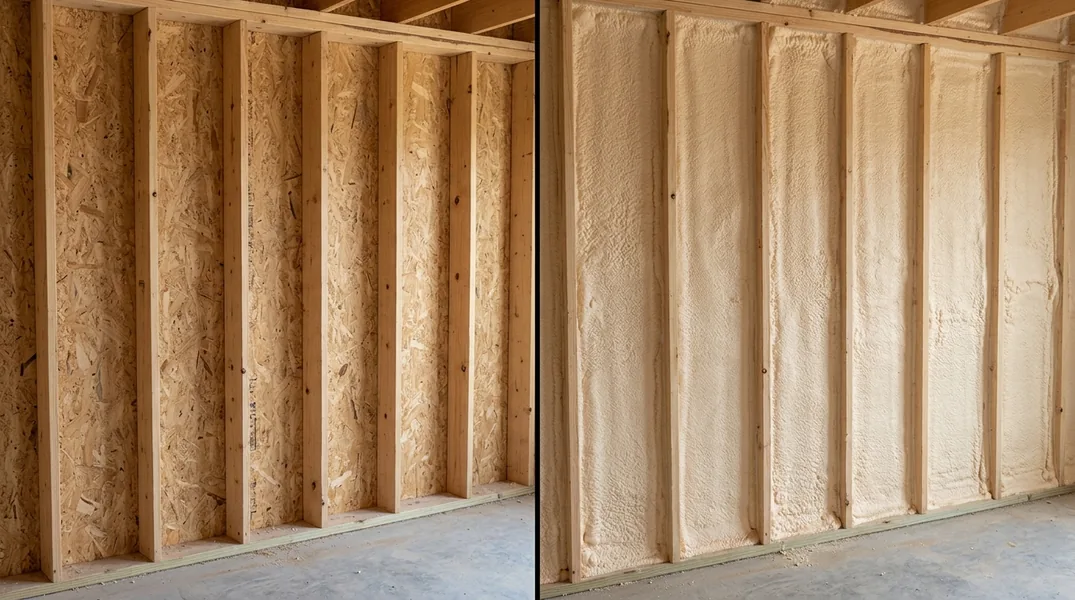
The Bryan area has seen a significant shift toward spray foam solutions for historic homes, and for good reason. Closed Cell Spray Foam Insulation represents the best insulation for crawl space applications because it creates a continuous thermal and moisture barrier that traditional fiberglass batts simply cannot match. Unlike rolled insulation, which leaves gaps and seams where air can escape, spray foam expands to fill every cavity, corner, and crevice in your crawl space.
When applied to the underside of floor joists and along crawl space walls, closed-cell foam creates an airtight seal that stops heat transfer and prevents moisture infiltration. The material's high R-value per inch (typically R-6 to R-7) means you achieve excellent insulation performance without requiring excessive thickness. For homeowners in College Station and surrounding areas, this translates directly to warmer floors, more consistent indoor temperatures, and noticeably lower heating and cooling costs.
Another advantage of crawl space spray foam is its durability. Once cured, the foam won't settle, compress, or degrade over decades like traditional insulation materials. It resists moisture, mold growth, and pest infiltration, protecting both your insulation investment and your home's structural components. For historic pier-and-beam properties that may already have compromised crawl space conditions, this comprehensive protection is invaluable.
Comparing Crawl Space Spray Foam to Traditional Insulation Options
Many homeowners ask why they shouldn't simply install fiberglass batts or blown-in cellulose in their crawl spaces. The answer lies in how these traditional materials perform in the unique environment beneath a pier-and-beam home. Fiberglass batts are designed for installation between studs and joists in relatively dry, protected spaces. In a crawl space, they're exposed to moisture, temperature fluctuations, and potential water intrusion. When fiberglass absorbs moisture, it loses R-value effectiveness and becomes a breeding ground for mold and mildew.
Blown-in cellulose and fiberglass also create numerous small gaps where they don't make perfect contact with surfaces. These gaps allow air leakage, which undermines the insulation's thermal performance. Additionally, traditional materials offer no moisture barrier, so you'd need to install separate vapor barriers and ensure proper ventilation. Spray foam eliminates these complications by serving as both insulation and air barrier simultaneously. The material adheres directly to surfaces, leaving no gaps, and its closed-cell structure naturally resists moisture. This makes crawl space spray foam the superior choice for historic homes where thermal performance and durability matter most.
The Installation Process and What to Expect
If you're considering Open Cell Spray Foam Insulation or closed-cell spray foam for your crawl space, understanding the installation process helps you prepare. A professional crew will begin by assessing your crawl space conditions, identifying any existing moisture problems, pest damage, or structural issues that need attention before foam application. They'll clean the area, seal any obvious gaps or holes, and may recommend vapor barrier installation depending on your home's specific situation.
The actual spray foam application typically takes one to three days depending on crawl space size and complexity. The contractor applies foam to the underside of floor joists, along rim joists, and across crawl space walls. The material expands significantly as it cures, filling all voids and creating a seamless thermal envelope. Once cured, the foam can be left exposed or covered with a thermal barrier depending on local building codes and your preference. The process is relatively non-invasive, and your home remains accessible throughout the work. Most homeowners notice improved comfort and lower energy bills immediately after installation is complete.
Crawl Space Insulation Cost in College Station: What to Budget
When evaluating pricing for crawl space insulation projects, several factors influence the final cost. The size of your crawl space, the type of foam selected (closed-cell versus open-cell), current conditions requiring remediation, and accessibility all play roles in determining your investment. Closed-cell spray foam typically costs more per square foot than open-cell foam, but it delivers superior R-value, moisture resistance, and durability, making it the preferred choice for most historic homes in the College Station area.
Rather than guessing at costs, the best approach is to contact College Station Spray Foam Insulation for a free estimate. Our team will visit your home, evaluate your crawl space, discuss your comfort and energy goals, and provide a detailed quote tailored to your specific situation. You can reach us at (979) 406-5185 to schedule your assessment. While spray foam represents a larger upfront investment than traditional insulation, the energy savings, improved comfort, and long-term durability make it a financially sound decision for homeowners serious about addressing cold floors and high heating costs.
Taking the Next Step: Professional Crawl Space Insulation Near Me
If you're tired of cold floors, inconsistent temperatures, and energy bills that seem to climb every season, professional crawl space spray foam insulation offers a proven solution. The historic charm of Bryan and College Station homes deserves modern comfort and efficiency. Spray foam technology gives you the best of both worlds: you preserve your home's character while solving the thermal performance problems inherent to pier-and-beam construction.
College Station Spray Foam Insulation has helped numerous homeowners throughout the region transform their living spaces. We specialize in understanding the unique challenges of historic properties and delivering customized insulation solutions that work. Whether you're interested in crawl space spray foam, Attic Spray Foam Insulation, or comprehensive home insulation upgrades, our experienced team is ready to help. Contact us today at (979) 406-5185 or visit our website to request your free estimate. Let's make your home as comfortable and efficient as it deserves to be.
Looking for a professional spray foam insulation contractor in College Station? College Station Spray Foam Insulation responds fast for all your spray foam insulation needs.
Get a Free Quote